How-to & Measurement
My Customer Sent Me an ESG Questionnaire — What Do I Do?
A step-by-step guide for Indian SMEs who just received a supplier ESG questionnaire from a listed customer and have no idea where to start.
TL;DR
Your customer isn't asking you to file anything with a regulator — they need your data to complete their own BRSR or CSRD report. Treat it like any other customer request: read it fully before panicking, answer what you can with real numbers, be honest about what you don't track yet, and use it as a reason to start measuring the basics. Most first-time questionnaires are more manageable than they look.
Who this is for
Any Indian SME or mid-sized supplier that just opened an email titled something like "Supplier Sustainability Assessment" or "ESG Data Request" and felt a small wave of panic.
Plain explanation
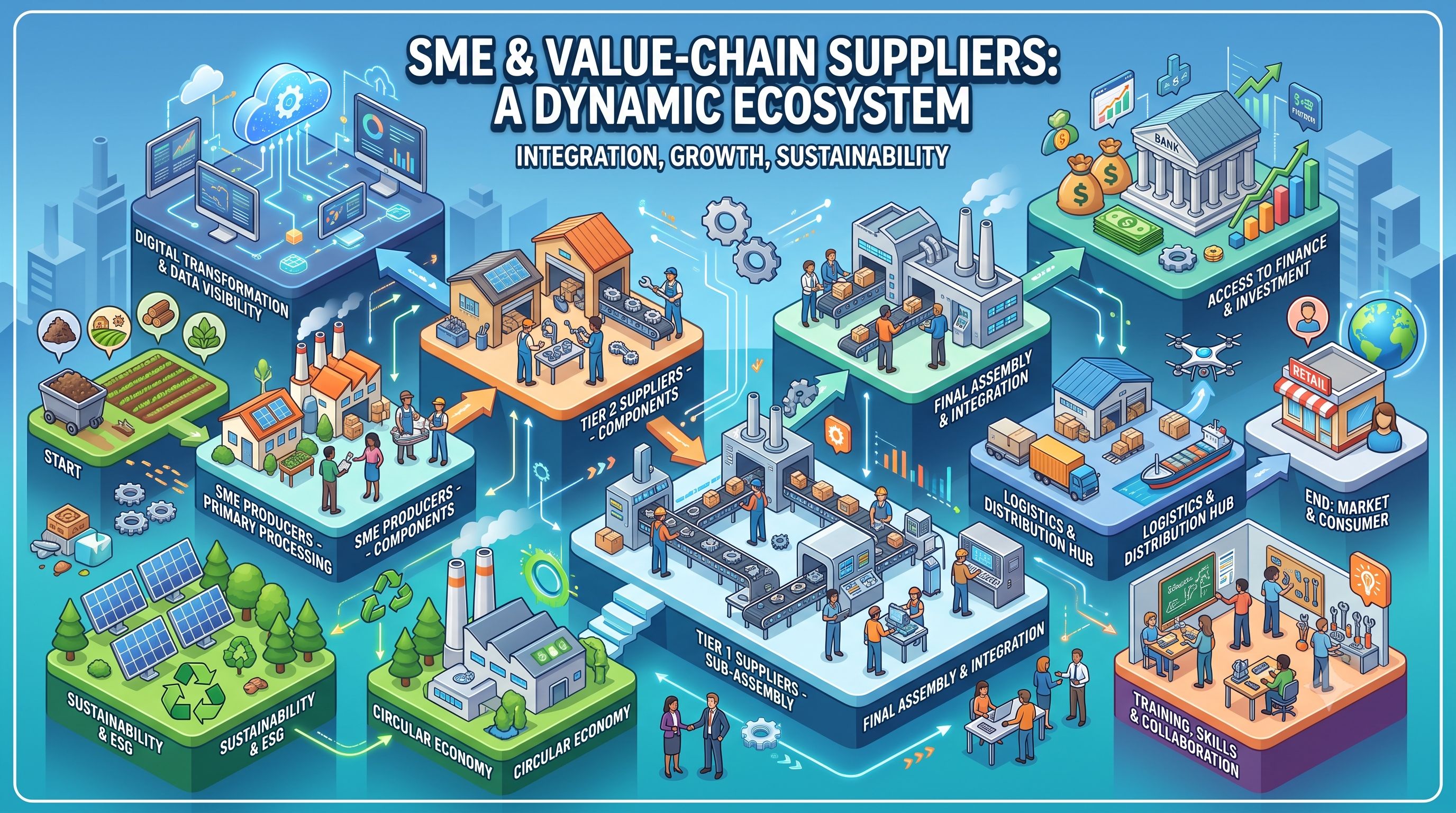
Large companies — especially those that file BRSR in India or CSRD in the EU — increasingly have to report on their value chain, not just their own operations. Since they can't measure your factory's emissions or your workers' safety record themselves, they ask you directly. That's the entire mechanism. It's not a trap, an audit, or a test you can fail outright — it's a data request, and how you respond is a business decision like any other.
Questionnaires vary widely in length and depth: some are a two-page spreadsheet, others resemble a full BRSR Section C. Most fall somewhere in between and ask about a predictable set of things:
- Energy use and source (grid vs. renewable, and roughly how much).
- Water use and waste handling.
- Worker safety incidents and basic labor practices (wages, working hours, no child/forced labor).
- Whether you have written policies (anti-bribery, code of conduct, grievance handling).
- Sometimes: emissions data (see our Scope 1, 2 & 3 guide) or a request to declare emissions if you don't already track them.
India specifics
You are almost never required to answer. Unlike BRSR itself, a supplier questionnaire from a customer is a commercial request, not a regulatory one — nobody fines you for declining. But declining or stonewalling has real business consequences: your customer needs this data, and a supplier who can't or won't provide it becomes a slightly riskier one to keep, especially as more competitors do respond.
You don't need perfect data to respond well. A credible, honest answer — including "we don't track this yet, but here's our plan to start" — is almost always better received than silence or a guessed number that turns out to be wrong. Assessors and procurement teams have seen thousands of these forms; a first-time SME response that's honest about its gaps reads as more trustworthy than one that suspiciously has every box filled in perfectly.
Reuse is your friend. Once you've gathered data for one customer's questionnaire, the same numbers (electricity use, safety incidents, policies) will answer most of the next one too — see our guide on what ESG frameworks actually cost before assuming you need to buy anything to respond.
Worked example
Priya runs a 40-person components workshop near Coimbatore and receives a 25-question ESG questionnaire from her largest customer, a BRSR-filing auto manufacturer. Her first instinct is to ignore it for a week. Instead, she:
- Reads the whole form once, without answering anything, and highlights which questions she can answer today (electricity bills, headcount, written HR policies) versus which she can't (exact emissions figures, formal energy audits).
- Answers the easy questions immediately with real numbers pulled from existing bills and HR records.
- For the harder questions, writes honest short answers: "We do not currently track Scope 1/2 emissions formally; our primary energy source is grid electricity, approximately 60,000 kWh/year, with no on-site fuel combustion beyond a small backup generator."
- Sends it back within the requested deadline, rather than waiting until she has "perfect" data.
Her customer's sustainability team follows up with two clarifying questions but treats the response as complete and credible — no red flags raised, despite the gaps.
Checklist
- Read the entire questionnaire once before answering anything.
- Separate questions into "I can answer this today" and "I need to find this out."
- Pull real numbers from existing records (electricity bills, HR files, safety logs) rather than estimating from memory.
- Where you don't have data, say so honestly and briefly explain what you're doing about it — don't leave it blank or guess.
- Save your answers somewhere reusable; the next customer's questionnaire will ask 70% of the same questions.
- Meet the deadline, even with an imperfect but honest response, rather than going silent.
What to do next
If terms like "Scope 2" or "BRSR Core" showed up in the questionnaire and you want the plain-English version, start with the basics.
Current as of: 22 July 2026. Supplier questionnaire practices vary by customer and industry and aren't governed by a single regulation — this guide reflects common patterns, not a legal requirement.
Sources: